From the historic streets of Paris to the vibrant cities of Spain and the extraordinary landscapes of the United States, these three destinations offer different ways to experience the world. Here is what makes each country worth visiting, what to see, and how to plan a memorable trip.

Choosing a travel destination is about more than selecting a place on a map. The most memorable journeys combine cultural experiences, remarkable scenery, local food, history and opportunities to discover something new.
France, Spain and the United States offer three very different approaches to travel. France is known for its art, architecture and culinary traditions. Spain combines historic cities with lively public spaces, regional cuisine and Mediterranean coastlines. The United States offers extraordinary geographic diversity, from major metropolitan areas to national parks and dramatic natural landscapes.
There is no single destination that is objectively the best for every traveller. The right choice depends on your interests, budget, available time and preferred style of travel. However, these three countries provide a useful starting point for planning an unforgettable holiday.
1. France: Art, Romance and Timeless Elegance

France has long attracted travellers interested in art, architecture, food, fashion and history. Its appeal extends far beyond Paris, encompassing medieval towns, vineyards, coastal resorts, mountain villages and countryside landscapes.
For first-time visitors, the French capital is an excellent introduction. Paris brings together famous landmarks, internationally recognised museums, historic neighbourhoods and a food culture that rewards exploration. Travellers who venture beyond the capital can discover a much wider range of regional identities and landscapes.
Paris: The Essential First Stop
Paris is one of the world's most recognisable cities. The Eiffel Tower, the Louvre Museum, Notre-Dame Cathedral and the Arc de Triomphe are among its best-known landmarks. Walking along the Seine provides another way to appreciate the city's architecture and historic setting.
Art lovers can spend hours exploring museum collections, while visitors interested in everyday Parisian life may prefer the city's neighbourhood streets, bookshops, bakeries and cafés. Areas such as Le Marais and Saint-Germain-des-Prés offer different perspectives on the capital's history and contemporary culture.
Rather than trying to visit every major attraction in a single day, allow enough time to explore each area at a comfortable pace. Paris is particularly rewarding when sightseeing is balanced with unstructured time for walking, dining and discovering quieter streets.
Versailles: Royal History and Grand Architecture
Located outside central Paris, the Palace of Versailles is closely associated with the French monarchy and the reign of Louis XIV. Its grand interiors, formal gardens and elaborate architecture illustrate the scale and ambition of royal life before the French Revolution.
A visit can occupy much of a day, particularly if you want to explore both the palace and its extensive grounds. Check current opening arrangements and ticket requirements before travelling, as popular attractions can become busy during peak tourist periods.
The French Riviera: Mediterranean Scenery
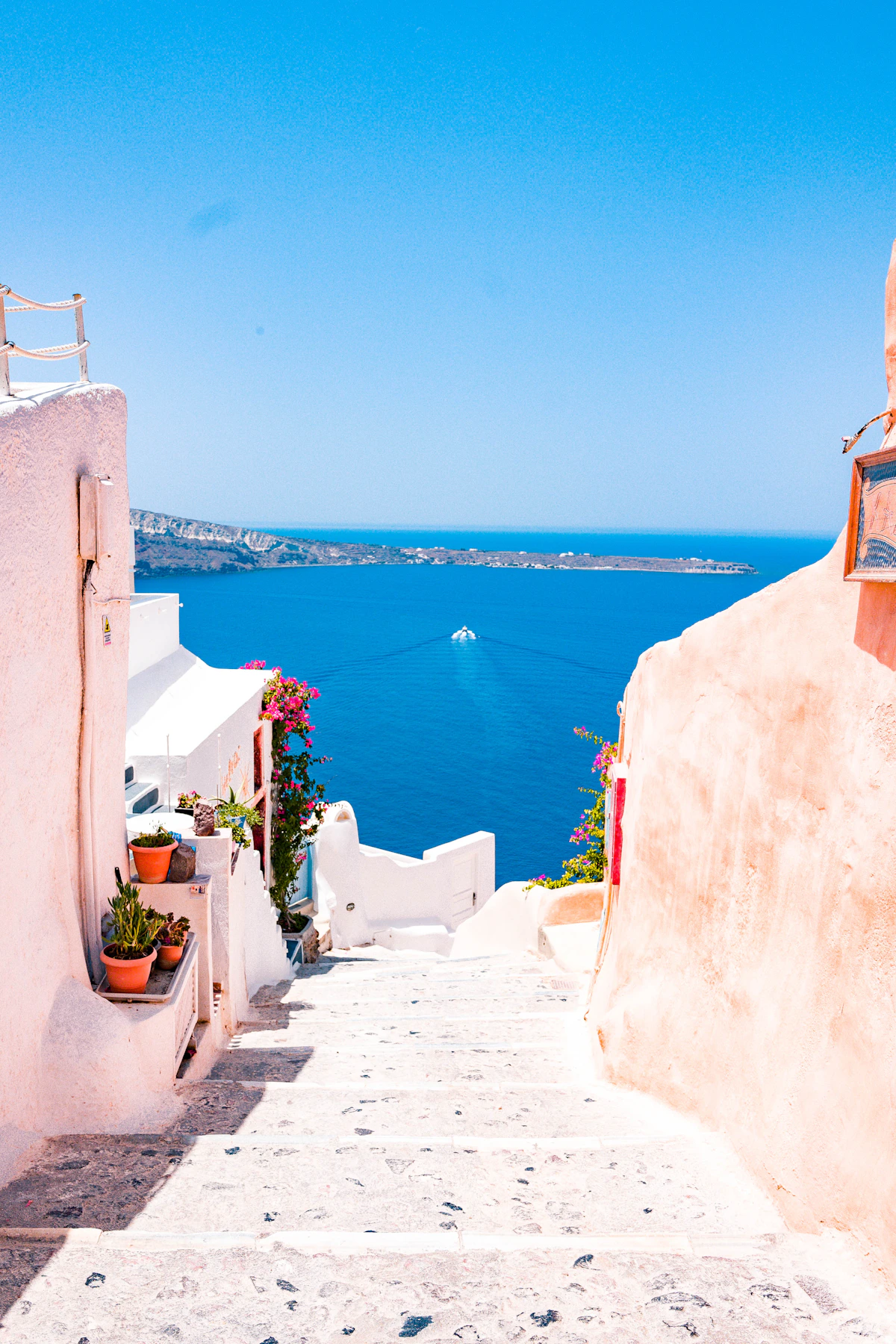
Southern France offers a warmer, more relaxed atmosphere than the country's major northern cities. The French Riviera is known for its coastal towns, Mediterranean views, waterfront promenades and resort lifestyle.
Nice makes a convenient base for exploring the region. Depending on your interests, you can visit nearby towns, spend time by the sea or explore local markets and historic streets. Summer is popular, but it can also bring higher accommodation prices and larger crowds.
The French Alps: Mountains and Outdoor Adventures

Travellers seeking outdoor experiences can head towards the French Alps. The region offers mountain scenery, hiking routes, lakes, ski resorts and traditional alpine communities.
Winter attracts visitors interested in skiing and snowboarding, while warmer months provide opportunities for hiking and sightseeing. Weather conditions can change quickly in mountainous areas, so appropriate clothing, footwear and route planning are essential.
What Makes France Special?
- Art and culture: Major museums, historic buildings and internationally recognised cultural institutions.
- Food and wine: Regional cuisines, bakeries, restaurants, markets and traditional food culture.
- Architectural variety: From grand urban boulevards to medieval villages and historic castles.
- Different landscapes: Beaches, countryside, vineyards, rivers and mountains.
- Transport connections: Rail and road networks make it possible to combine several regions in one trip.
2. Spain: Culture, Food and Mediterranean Life
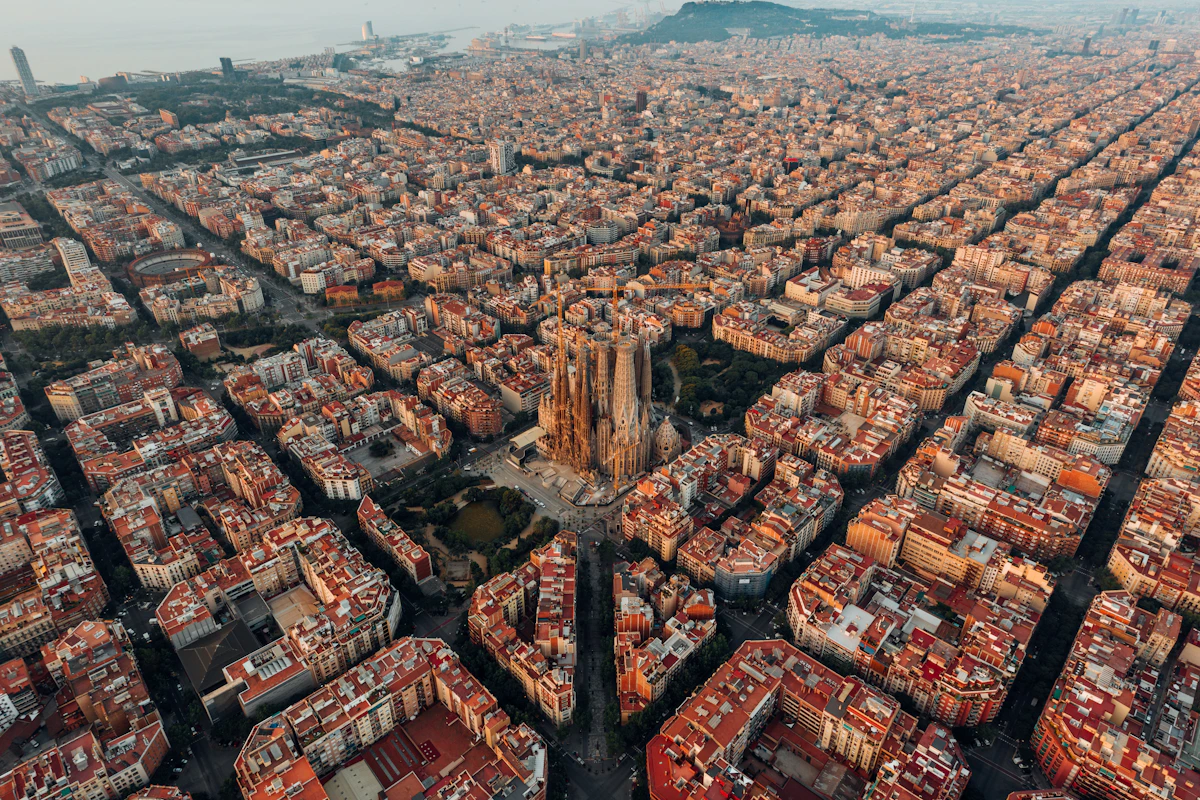
Spain offers a compelling mix of historic cities, distinctive regional traditions, lively public spaces, beaches and celebrated cuisine. Its regions have different languages, architectural styles and cultural identities, giving travellers plenty of reasons to explore beyond a single city.
Visitors can spend their time admiring architecture, sampling local dishes, exploring museums, relaxing on the coast or enjoying the atmosphere of neighbourhood plazas. Spain can suit both travellers seeking a fast-paced city break and those looking for a slower holiday.
Barcelona: Architecture and Coastal Energy
Barcelona is one of Spain's most distinctive urban destinations. The city is closely associated with the architect Antoni Gaudí, whose imaginative designs have helped shape its visual identity.
The Sagrada Família is the city's most famous architectural landmark. Other attractions include Park Güell, Casa Batlló and the historic streets of the Gothic Quarter. Visitors can also explore food markets, galleries, restaurants and the city's waterfront.
Barcelona's combination of architecture and beach access makes it particularly appealing to travellers who want both urban sightseeing and time near the sea. Popular attractions can require advance planning, especially during busy travel periods.
Madrid: Museums, Parks and Spanish Culture

Spain's capital offers a different experience from Barcelona. Madrid is known for its museums, elegant boulevards, historic squares and energetic food scene.
The Prado Museum is a major destination for European art, while the Reina Sofía and Thyssen-Bornemisza museums provide additional perspectives on art history. Retiro Park offers a welcome green space for walking and relaxing.
Madrid is also a useful starting point for day trips to nearby historic destinations. With good transport connections, travellers can combine the capital with smaller cities and towns without changing hotels every night.
Seville: Historic Streets and Andalusian Traditions

Seville offers a strong sense of regional character. Its historic centre, traditional courtyards and important architectural sites reflect the layered history of southern Spain.
The Royal Alcázar, Seville Cathedral and the Plaza de España are among the city's best-known attractions. Visitors can also discover local markets, neighbourhood restaurants and performances associated with flamenco traditions.
Summer temperatures in Andalusia can be extremely high. Spring and autumn are often more comfortable periods for walking around the city, although conditions vary from year to year.
The Balearic Islands: Beaches and Island Escapes

Spain's Balearic Islands, including Mallorca, Menorca, Ibiza and Formentera, offer a different style of holiday. Depending on the island and location, visitors can find sandy beaches, rocky coves, scenic walking routes, historic towns and lively nightlife.
Mallorca offers a particularly broad range of experiences, including coastal resorts, traditional towns and mountain scenery. Menorca is often associated with a quieter pace, while Ibiza is known for both its nightlife and its attractive coastline.
Island transport, accommodation availability and seasonal prices should be considered when planning a visit. Booking early is especially useful for popular destinations during summer.
What Makes Spain Special?
- Distinctive regional culture: Different traditions, languages, festivals and architectural styles.
- Food experiences: Tapas, regional dishes, markets and local restaurants.
- Historic landmarks: Cathedrals, palaces, medieval streets and major art collections.
- Coastal variety: Mediterranean beaches, island escapes and Atlantic coastlines.
- Outdoor activities: Hiking, cycling, swimming and exploring historic towns.
3. United States: Cities and Natural Wonders

The United States is a vast country with extraordinary geographic and cultural diversity. Major cities offer museums, entertainment, architecture and varied food scenes, while national parks reveal deserts, forests, mountains, canyons and coastlines.
Because distances between destinations can be substantial, planning is particularly important. A trip focused on New York City will look very different from a road journey through the American West or a holiday built around national parks.
New York City: An International Urban Centre
New York City is one of the country's most recognisable destinations. Its skyline, neighbourhoods, museums, theatres and public spaces make it attractive to travellers with a wide range of interests.
Popular landmarks include Central Park, the Statue of Liberty, Times Square, the Empire State Building and the city's major museums. Visitors can also explore neighbourhoods with distinctive food traditions, independent shops and cultural institutions.
New York can be expensive, especially when accommodation and restaurant costs are included. Travellers can manage their budgets by comparing neighbourhoods, using public transport and deciding in advance which paid attractions matter most.
The Grand Canyon: A Monumental Natural Landscape

The Grand Canyon in Arizona is among the most celebrated natural landmarks in the United States. Its immense scale and exposed rock layers provide a striking view of geological history.
Many visitors begin with viewpoints along the South Rim, where accessible overlooks offer impressive panoramas. More adventurous travellers may consider hiking routes, but descending into the canyon requires careful preparation, adequate water, appropriate equipment and an honest assessment of fitness.
The canyon's conditions can vary significantly by season and elevation. Check official park guidance before travelling, especially if you intend to hike below the rim.
Yellowstone National Park: Geothermal Features and Wildlife

Yellowstone National Park, which spans parts of Wyoming, Montana and Idaho, is known for its geothermal activity, wildlife and varied landscapes. Geysers, hot springs, rivers, forests and open valleys make it one of the country's most distinctive protected areas.
Old Faithful is among Yellowstone's best-known attractions, but the park offers much more than its famous geyser. Visitors may encounter bison and other wildlife, explore boardwalks around geothermal features, or travel between scenic areas by road.
Yellowstone is large, and travel times between attractions can be longer than expected. Seasonal road closures, weather and wildlife-related delays can also affect itineraries. Maintain a safe distance from wildlife and follow all park instructions.
California: Coastal Scenery and Urban Attractions

California offers a broad mix of experiences, from major urban destinations to coastal drives, forests and mountain landscapes. San Francisco is known for its hills, waterfront setting, historic neighbourhoods and Golden Gate Bridge.
Further south, Los Angeles attracts visitors interested in entertainment, museums, beaches and a sprawling metropolitan culture. The state also includes national parks and scenic coastal areas, making it possible to combine city visits with outdoor adventures.
Distances can be considerable, so avoid trying to cover the entire state in a few days. A more satisfying itinerary usually focuses on one region or combines a small number of destinations connected by a realistic travel schedule.
What Makes the United States Special?
- Geographic diversity: Deserts, mountains, forests, beaches, canyons and lakes.
- Major cities: Museums, entertainment, architecture, shopping and diverse food scenes.
- National parks: Protected landscapes and opportunities for hiking, wildlife observation and scenic drives.
- Road-trip opportunities: Routes that connect small towns, cities and natural attractions.
- Regional variety: Different histories, cuisines, climates and cultural traditions across the country.
Comparing the Three Destinations
France, Spain and the United States can all support memorable holidays, but they differ in scale, transport needs, costs and the kinds of experiences they offer. The following comparison provides a starting point rather than a definitive ranking.
| Factor | France | Spain | United States |
|---|---|---|---|
| Main appeal | Art, architecture, food and varied European landscapes | Regional culture, food, historic cities and beaches | Major cities, national parks and geographic diversity |
| City experiences | Paris, Lyon, Bordeaux and other historic cities | Barcelona, Madrid, Seville and Valencia | New York, San Francisco, Los Angeles and Chicago |
| Nature | Alps, coastlines, countryside and vineyards | Beaches, islands, mountains and rural landscapes | National parks, deserts, forests, mountains and coastlines |
| Getting around | Rail, public transport and regional road travel | Rail, public transport and regional road travel | Public transport in major cities; cars often useful for longer nature-focused trips |
| Food highlights | Pastries, cheeses, regional dishes and French cuisine | Tapas, paella, seafood and regional specialities | Regional cuisines, international food and local specialities |
| Trip planning | Plan around cities, regions and transport connections | Combine cities, regional culture and coastal areas | Allow more time for long distances and park visits |
Costs vary widely within each country. The season, accommodation category, exchange rates, transport choices and popularity of individual destinations can have a greater impact on a trip budget than the country alone.
How to Plan Your Trip
A successful holiday begins with a realistic itinerary. Instead of trying to see every famous attraction, identify the experiences that matter most and build the trip around them.
1. Choose the Right Season
Spring and autumn can be appealing for sightseeing in many European cities because temperatures are often more comfortable than during the height of summer. Summer is popular for beaches and outdoor activities, but major attractions may be crowded.
In the United States, seasonal conditions vary greatly by region. A mountain park, a desert destination and a major northeastern city can have very different weather at the same time of year. Check the conditions for your specific destinations before booking.
2. Set a Realistic Budget
Calculate the total expected cost rather than focusing only on airfare. Accommodation, meals, local transport, attraction tickets, travel insurance and visa-related expenses can make a substantial difference.
- Compare accommodation options in different neighbourhoods.
- Check transport costs before deciding whether to rent a car.
- Reserve popular attractions in advance when required.
- Keep an emergency allowance for unexpected expenses.
- Check baggage rules and other fees before purchasing flights.
3. Avoid Overloading Your Itinerary
Travel takes time, even when destinations look close together on a map. Moving between cities involves packing, transport, check-in and the possibility of delays. Leaving room for rest and spontaneous discoveries often makes a holiday more enjoyable.
For a first visit, concentrate on a manageable number of places. In France or Spain, a city and one nearby region may provide plenty to explore. In the United States, choosing a single region can prevent long journeys from consuming too much of your holiday.
4. Check Entry Requirements
Passport validity, visa requirements and permitted lengths of stay depend on your nationality and travel circumstances. Verify the latest requirements through official government sources before booking non-refundable travel.
Travellers visiting France or Spain should check the relevant Schengen Area entry rules. Those travelling to the United States should verify the visa or other entry authorisation applicable to their circumstances.
5. Protect Your Health and Safety
Arrange appropriate travel insurance, keep copies of important documents and understand local emergency procedures. In hot weather, carry water and protect yourself from the sun. In natural areas, follow local safety guidance and respect wildlife.
Keep valuables secure, use reputable transport providers and be cautious of scams around crowded tourist attractions. Practical preparation allows you to spend more time enjoying the destination.
6. Respect Local Culture
Learning a few basic local expressions, understanding customary behaviour and following rules at religious or historic sites can improve your experience. Responsible travel also means respecting residents, avoiding litter and following conservation guidance in natural areas.
Which Destination Should You Choose?
The best destination depends on what you want from your journey. France, Spain and the United States each offer a different combination of culture, scenery, food and activities.
Choose France if your ideal holiday includes art museums, historic architecture, celebrated cuisine, elegant cities and access to countryside or mountain scenery.
Choose Spain if you want a combination of regional culture, historic streets, lively public spaces, distinctive food and opportunities to relax by the sea.
Choose the United States if you are interested in major metropolitan destinations, spectacular natural landscapes, national parks and the freedom to plan a regional road trip.
Ultimately, a rewarding trip is not defined by how many famous landmarks you visit. It is defined by the experiences you have, the places you discover and the memories you bring home. With careful planning, any of these three destinations can provide an exceptional travel experience.
Travel note: Attraction access, opening hours, ticket prices, transport schedules and entry requirements can change. Check official destination and government websites before finalising your plans.